Descriere
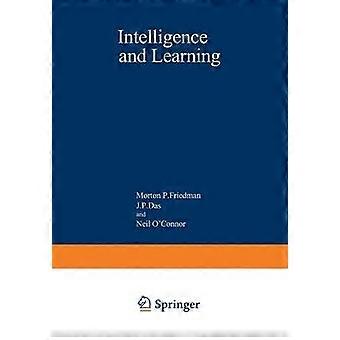
Intelligence and Learning
Section 1. Introduction. - 1. Introduction and Overview. - 2. Intelligence and Learning. - 3. Recent Issues in the Developmental Approach to Mental Retardation. - 4. Reaction Time and Intelligence. - 5. Intelligence and Learning: Specific and General Handicap. - Section 2. The Nature of Intelligence Symposium. - 6. The Nature of Intelligence. - 7. The Primary Mental Ability. - 8. Genetic Differences in g and Real Life. - Section 3. The Nature of Intelligence Papers. - 9. Physiological Evidence that Demand for Processing Capacity Varies with Intelligence. - 10. Closure Factors: Evidence for Different Modes of Processing. - 11. Test Structure and Cognitive Style. - 12. Intelligence and the Orienting Reflex. - Section 4. Individual Variability and Intelligence. - 13. Individual Differences in Memory Span. - 14. Towards a Symbiosis of Cognitive Psychology and Psychometrics. - 15. Development and Modifiability of Adult Intellectual 169 Performance: An Examination of Cognitive Intervention in Later Adulthood. - 16. The Relationship Between Memory Span and Processing Speed. - Section 5. Piagetian Approaches. - 17. Cognitive Mechanisms and Training. - 18. Training and Logic: Comment on Magali Bovet's Paper. - 19. The Role of Social Experience in Cognitive Development. - 20. Knowledge Development and Memory Performance. - 21. Reasoning and Problem Solving in Young Children. - 22. Logical Competence in Infancy: Object Percept or Object Concept?. - Section 6. Piaget and Development. - 23. Piagetian Perspective in Draw-A-House Tree Task: A Longitudinal Study of the Drawings of Rural Children. - 24. Metacognition and Intelligence Theory. - 25. Adaptation to Equilibration: A More Complex Model of the Applications of Piaget's Theory to Early Childhood Education. - 26. A Model of CognitiveDevelopment. - 27. The Use of a Piagetian Analysis of Infant Development to Predict Cognitive and Language Development at Two Years. - Section 7. Cognitive Psychological Analyses. - 28. Testing Process Theories of Intelligence. - 29. Coding and Planning Processes. - 30. Process Theories: Form or Substance? A Discussion of the Papers by Butterfield Das Jarman. - Section 8. Intelligence and Cognitive Processes. - 31. Toward a Unified Componential Theory of Human Intelligence: I. Fluid Ability. - 32. Toward a Theory of Aptitude for Learning: I. Fluid and Crystallized Abilities and their Correlates. - Section 9. Reading Processes. - 33. Comparison of Reading and Spelling Strategies in Normal and Reading Disabled Children. - 34. Active Perceiving and the Reflection-Impulsivity Dimension. - 35. Cognitive Strategies in Relation to Reading Disability. - 36. Comparative Efficacy of Group Therapy and Remedial Reading with Reading Disabled Children. - 37. Coding Strategies and Reading Comprehension. - Section 10. Cross-Cultural Approaches. - 38. Cultural Systems and Cognitive Styles. - 39. Culture Cognitive Tests and Cognitive Models: Pursuing Cognitive Universals by Testing Across Cultures. - Section 11. Individual Differences and Cognition. - 40. Human Ageing and Disturbances of Memory Control Processes Underlying Intelligent Performance of Some Cognitive Tasks. - 41. Ability Factors and the Speed of Information Processing. - 42. The Design of a Robot Mind: A Theoretical Approach To Issues In Intelligence. - 43. Cognitive Psychology and Psychometric Theory. - Section 12. Mental Retardation and Learing Disabilities. - 44. A Comparison of Psychometric and Piagetian Assessments of Symbolic Functioning in Down's Syndrome Children. - 45. A Comparison of the Conservation Acquisition of MentallyRetarded and Nonretarded Children. - 46. Generalization of a Rehearsal Strategy in Mildly Retarded Children. - 47. Cognitive Processing in Learning Disabled and Normally Achieving Boys in a Goal-Oriented Task. - 48. Home Environment Cognitive Processes and Intelligence: A Path Analysis. - Section 13. Pathology of Intelligence. - 49. Inducing Flexible Thinking: The Problem of Access. - 50. Hemispheric Intelligence: The Case of the Raven Progressive Matrices. - Section 14. Intellectual Abilities. - 51. Individual Differences in the Patterning of Curves of D. Q. and I. Q. Scores from 6 months to 17 Years. - 52. The Social Ecology of Intelligence in the British Isles France and Spain. - 53. Verbal Ability Attention and Automaticity. - 54. Ability and Strategy Differences in Map Learning. - Section 15. Information Processing. - 55. Information Processing Old Wine In New Bottles or A Challenge to the Psychology of Learning and Intelligence?. - 56. General Intelligence and Mental Speed: Their Relationship and Development. - 57. Presentation Mode and Organisational Strategies in Young Children's Free Recall. - 58. Qualitative and Quantitative Aspects in the Development of Proportional Reasoning. - Name Index. Language: English
-
ID Fruugo:
450589685-949691029
-
ISBN:
9781468410853
Livrări şi Returnări
Expediat în 4 zile
Livrare de la Regatul Unit.
Facem tot ce ne stă în putinţă să ne asigurăm că produsele comandate de dumneavoastră vă sunt livrate în întregime şi conform specificaţiilor. Cu toate acestea, dacă primiţi o comandă incompletă sau articole diferite de cele comandate, sau aveţi alt motiv pentru care nu sunteţi mulţumit de comandă, puteţi returna comanda sau orice produse incluse în comandă şi primiţi o rambursare completă pentru articole. Vizualizaţi întreaga politică de returnare