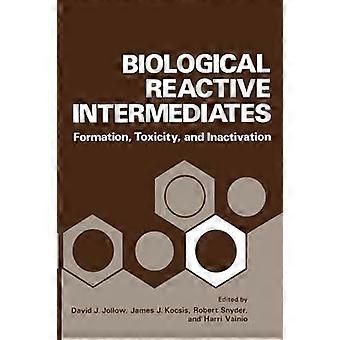
Biological Reactive Intermediates

724,00 RON
+ 56,49 RON Livrare

Biological Reactive Intermediates
  • Marcă: Unbranded
Vândut de:

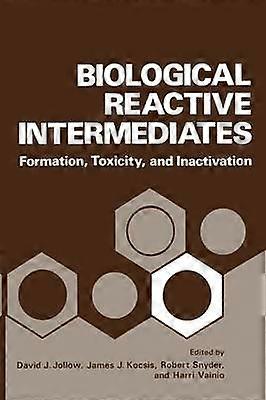
Biological Reactive Intermediates

  • Marcă: Unbranded

724,00 RON

În stoc
+ 56,49 RON Livrare

Politica de retur pe 14 zile

Vândut de:

724,00 RON

În stoc
+ 56,49 RON Livrare

Politica de retur pe 14 zile

Metode de plată:

Descriere

Biological Reactive Intermediates

I. Reactive Intermediates in Toxicology and Carcinogenesis: Role of Covalent Binding. - 1. Introduction to the Concept of Reactive Intermediates. - 2. The Concept of Reactive Electrophilic Metabolites in Chemical Carcinogenesis: Recent Results with Aromatic Amines Safrole and Aflatoxin B1. - 3. Kinetics of Reactive Metabolites and Covalent Binding in Vivo and in Vitro. - 4. Biochemical Aspects of Toxic Metabolites: Formation Detoxication and Covalent Binding. - 5. Discussion. - II. Formation of Reactive Intermediates. - 6. Mechanism of Microsomal Monooxygenases and Drug Toxicity. - 7. Discussion. - 8. Aryl Hydrocarbon Hydroxylase: Induction. - 9. Discussion. - 10. Benzo [a] pyrene Metabolism: Enzymatic and Liquid Chromatographic Analysis and Application to Human Liver Lymphocytes and Monocytes. - 11. Discussion. - 12. Genetic Differences in Benzo [a] pyrene Carcinogenic Index in Vivo and in Mouse Cytochrome P1 450-Mediated Benzo [a] pyrene Metabolite Binding to DNA in Vitro. - 13. Discussion. - 14. Formation of Toxic Intermediates in Fetal Tissues. - 15. Discussion. - 16. The Possible Role of Trout Liver Aryl Hydrocarbon Hydroxylase in Activating Aromatic Polycyclic Carcinogens. - 17. Metabolic Activation of Methyldopa by Cytochrome P450-Generated Superoxide Anion. - 18. Formation of Tertiary Amine N-Oxide and Its Reduction by Rat Liver Microsomes. - III. Inactivation of Reactive Intermediates. - 19. Epoxide Hydratase: Purification to Apparent Homogeneity as a Specific Probe for the Relative Importance of Epoxides among Other Reactive Metabolites. - 20. Glutathione S-Transferases. - 21. Discussion. - 22. UDPGlucuronosyltransferase: Substrate Specificity and Reactivation after Partial Separation from Other Membrane Components. - 23. Discussion. - 24. Inactivation of Reactive Intermediates in Human Liver. - 25. Discussion. - 26. Nucleotide Pyrophosphatase as a Competitor of Drug Hydroxylation and Conjugation in Rat Liver Microsomes. - IV. Specific Reactive Intermediates. - 27. Metabolic Activation of Hydrazines to Highly Reactive Hepatotoxic Intermediates. - 28. Discussion. - 29. Activation of Nitrite. - 30. Discussion. - 31. Benzene Metabolism and Toxicity. - 32. Benzene and p-Xylene: A Comparison of Inhalation Toxicities and in Vitro Hydroxylations. - 33. Discussion. - 34. Hepatotoxicity of Carbon Disulfide and of Other Sulfur-Containing Chemicals: Possible Significance of Their Metabolism by Oxidative Desulfuration. - 35. Studies of the Formation of Reactive Intermediates of Parathion. - 36. Discussion. - 37. Metabolism and Biological Activity of Benzo [a] pyrene and Its Metabolic Products. - 38. Discussion. - 39. Polycyclic Hydrocarbon Epoxides as Active Metabolic Intermediates. - 40. Stereoselective Synthesis and Reactions of a Diol-Epoxide Derived from Benzo [a] pyrene. - 41. Discussion. - 42. Additional Routes in the Metabolism of Phenacetin. - 43. Biliary Metabolites of Paracetamol in Relation to Dose Level and Various Pretreatments. - 44. Studies on Pharmacokinetics of N-Demethyldiazepam the Active Main Metabolite of Diazepam. - V. Reactive Intermediates in Lipid Peroxidation. - 45. Regulation and Effects of Lipid Peroxidation in Isolated Hepatocytes. - 46. Discussion. - 47. New Data Supporting an Obligatory Role for Lipid Peroxidation in Carbon Tetrachloride-Induced Loss of Aminopyrine Demethylase Cytochrome P450 and Glucose-6-phosphatase. - 48. Discussion. - 49. Binding of Haloalkanes to Liver Microsomes. - 50. Discussion. - 51. Degradation of Cytochrome P450 Heme and Lipid Peroxidation in Lead-Poisoned Rats. - VI. Reactive Intermediates in Carcinogenesis. - 52. The Effects of Microsomal Enzymes on Chemical Oncogenesis in Culture. - 53. Discussion. - 54. Role of Covalent Binding in Carcinogenicity. - 55. Discussion. - 56. Interactions of Carcinogens with Human Cell DNA: Damage and Repair. - 57. Discussion. - 58. The Origin Present Status and Trends of Toxicology: A Review of the Symposium in Turku 1975. - Participants. Language: English
  • Marcă: Unbranded
  • Categorie: Educație
  • Artist: David Jollow
  • Limbă: English
  • Format: Paperback
  • Data publicării: 2013/05/14
  • Editor / Etichetă: Springer
  • ID Fruugo: 339470283-744715512
  • ISBN: 9781461341260

Livrări şi Returnări

Expediat în 4 zile

  • STANDARD: 56,49 RON - Livrare între lun. 09 martie 2026–joi 12 martie 2026

Livrare de la Regatul Unit.

Facem tot ce ne stă în putinţă să ne asigurăm că produsele comandate de dumneavoastră vă sunt livrate în întregime şi conform specificaţiilor. Cu toate acestea, dacă primiţi o comandă incompletă sau articole diferite de cele comandate, sau aveţi alt motiv pentru care nu sunteţi mulţumit de comandă, puteţi returna comanda sau orice produse incluse în comandă şi primiţi o rambursare completă pentru articole. Vizualizaţi întreaga politică de returnare